


FEIS
4.123.00 Reviews
App Specs
- Version
- 3.8.5
- Updated On
- License
- Free
- Downloads
- 10,000+
- Developer
- FEIS LIFE APP LTD
- Categories
- Music & Audio
- Platform
- Android
Screenshots
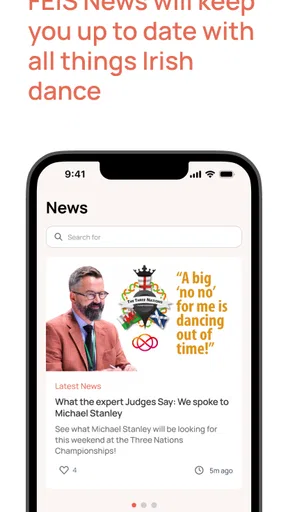
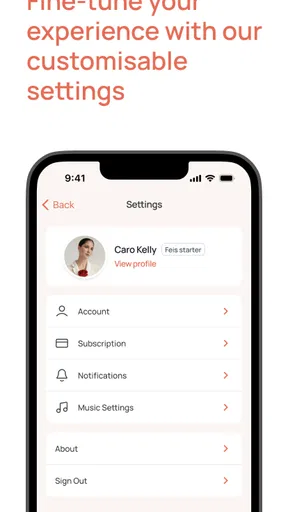
 Analysis by AppCompare
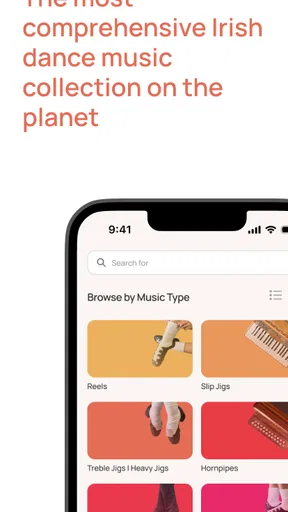
When I first opened FEIS, I understood its appeal almost immediately: it is built around one clear job, giving Irish dancers a focused way to work with dance music rather than making them search through a general music service. That narrow purpose is its biggest strength. Instead of treating Irish dance tracks as just another playlist category, the app places them at the center of the experience.
FEIS is a free Music & Audio app from FEIS LIFE APP LTD, aimed at anyone who needs Irish dance music close at hand. It is available for Everyone, runs on Android devices using version 8.0 or later, and has reached over ten thousand installs. The current version is 3.8.5, while the app itself was released on April 9, 2019. Those details matter because this is not a brand-new experiment; it has had time to become a dedicated tool for a very specific audience.
My overall impression is positive, especially if you dance, teach, practice, or regularly support someone involved in Irish dance. The app makes more sense as a practical rehearsal companion than as a replacement for a broad streaming service. If you want an enormous general music library, social discovery, podcasts, or a complete everyday audio player, another app will probably suit you better. If you want Irish dance music without wading through unrelated content, FEIS has a much clearer reason to exist.
A focused music tool for Irish dance practice
I find FEIS most useful when I treat it as part of the practice routine, not just another place to play music. In this section, I’ll look at how a focused Irish dance app can make choosing music feel more purposeful, then turn to the moments when a network connection may shape that experience.
The capability that defines the experience
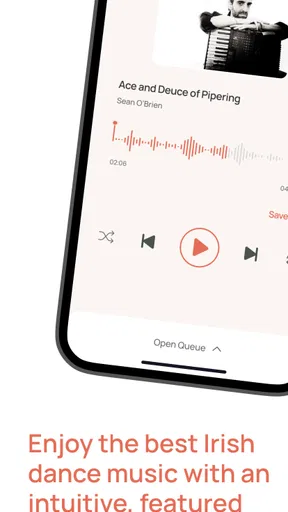
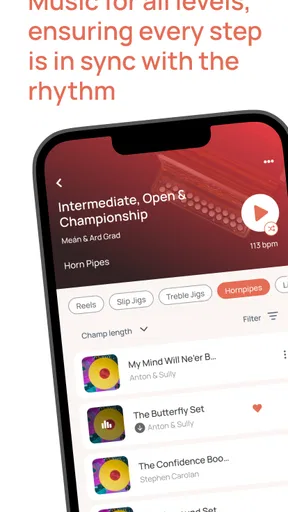
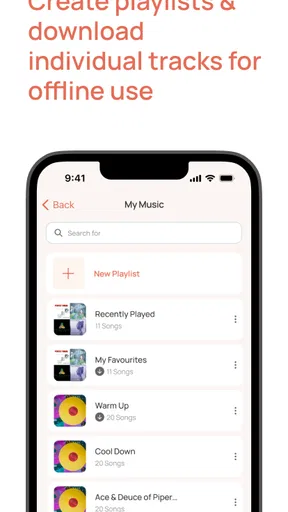
The central capability is simple but useful: FEIS puts Irish dance music into a dedicated app environment. That sounds less dramatic than a long list of features, but the effect is important. A general streaming app asks you to search, identify suitable recordings, build playlists, and avoid distractions. A specialist app starts closer to the moment when you actually want to dance.
That focus changes how I think about the app. I would not install it merely because I enjoy listening to traditional music occasionally. I would install it because I need music connected to Irish dance often enough that a dedicated destination saves time. The value comes from reducing the distance between opening the app and beginning a practice session.
For a dancer, music is not just background sound. It affects timing, footwork, confidence, and the structure of a session. A suitable track can help maintain concentration, while a poorly chosen recording can make practice feel awkward. FEIS is most convincing when viewed through that practical lens: it is designed around the relationship between the music and the movement.
Worth Reading Before You Choose

Baby Panda World Brings Quick Play to Modern Phones, but Its Game Library Feels Busy

ESPN’s Live Game View Makes Following Close Games Easier

QuizzLand Review: A Good Fit for Short Trivia Breaks, Not Every Player

Basketball Stars: Multiplayer Is Fast, but Can It Recover When Matches Go Wrong?

WEBTOON Turns Phone Updates Into a Better Reading Routine

Link to Windows Runs on Shared Habits, Not Social Feeds
I also appreciate that the app does not need to pretend to be everything for everyone. Specialist tools often work best when they respect the routine of their audience. FEIS’s identity is easy to understand, and that makes the decision to try it straightforward for dancers and families already involved in the Irish dance world.
Why a specialist app can beat ordinary streaming
Using a normal music service for Irish dance is possible, but it can be surprisingly inefficient. Search results may mix performance recordings, unrelated traditional tracks, modern interpretations, and music intended for listening rather than practice. You may eventually find what you need, yet the process can interrupt the session before it starts.
FEIS has a practical advantage because its purpose narrows the search problem. I can imagine opening it before class, selecting music for a particular practice goal, and keeping the phone out of the way. That is a small improvement, but repeated several times a week, small improvements become part of a useful routine.
There is also a difference in mindset. A general service encourages browsing and recommendation-driven discovery. A dance-focused app encourages preparation and repetition. That makes FEIS better for structured work than for casual listening. I would choose a broad streaming service when I want to explore artists or create a mixed playlist, but I would choose FEIS when the next task is dancing.
What the free entry point means
FEIS is free to download, which makes it easy to test without committing money first. That matters for parents, new dancers, and people who are unsure whether a specialist music app will fit into their routine. The app also contains optional in-app purchases, with individual items ranging from $1.49 to $12.99. I would therefore treat the free version as an opportunity to assess the basic experience before deciding whether any paid material is worthwhile.
The sensible approach is not to assume that every dancer needs to buy anything. First, I would use the free portion during an actual practice week, not just for a quick glance. I would check whether the available music fits the dancer’s level, whether navigation feels quick enough between exercises, and whether the app becomes part of the routine naturally. Only then would I consider spending money on extra content.
That trial-first approach is especially useful for families. A parent may be looking for something a child can use repeatedly, while a teacher may need a dependable resource across different classes. The right value depends less on the presence of purchases and more on whether the app saves enough time and provides music that genuinely gets used.
How I would use it before and during practice
My preferred workflow would begin before the dancer starts moving. I would open FEIS, decide what the session is meant to accomplish, and choose music accordingly rather than tapping around without a plan. For example, a short session could focus on maintaining rhythm, while a longer one could move from warm-up work into repeated sections and then a full run.
The useful insight here is that the app should be treated as part of preparation, not merely as a sound source. If I select music only after the dancer is already in position, the session loses momentum. Preparing the sequence first helps keep attention on technique. This is one of the reasons a dedicated app can feel more valuable than a collection of saved tracks scattered across a general player.
I would also keep a simple distinction between practice music and listening music. A recording that sounds enjoyable through headphones is not automatically the best choice for movement. During practice, clarity and a reliable sense of timing matter more than variety. FEIS’s specialist purpose makes it a better starting point for that decision than a general music library.
A realistic everyday scenario
Imagine a weekday evening when a dancer has limited time before homework or dinner. The dancer needs to review a routine, but nobody wants to spend the first part of the session searching for appropriate tracks. With FEIS already installed, the parent or dancer can go directly to the app, select suitable music, and begin working while the available time is still useful.
In that situation, the main benefit is not entertainment. It is reduced friction. The app helps turn a vague intention to practice into a concrete activity. Even if the session lasts only a short while, avoiding a long search can make the difference between practicing today and postponing it.
A teacher could use the same idea before a class: prepare the music flow in advance, keep the phone nearby, and avoid mixing practice audio with personal notifications or unrelated playlists. I would still recommend checking the setup before students arrive, because any music app can become inconvenient if the user is forced to search while the class is waiting.
Tips that make the focused approach more useful
First, I would create a repeatable practice habit around the app rather than opening it randomly. Use the same preparation order each time: choose the goal, select the music, place the device where it can be heard, and begin. This turns FEIS into a dependable cue for practice and reduces decision fatigue.
Second, I would avoid judging the app after a single casual listening session. Its real test is whether it supports repeated dance work. Try it during a normal week, including a rushed session and a more relaxed one. That reveals whether the specialist focus genuinely saves time or whether the available material does not match your needs.
Third, I would separate the dancer’s technical objective from the music selection. If the goal is timing, keep the session consistent enough to notice improvement. If the goal is endurance, plan longer uninterrupted stretches. The app cannot design the training plan for you, but its focused music environment can make a plan easier to follow.
Finally, I would keep a backup option available for important classes or performances. A specialist app can be very convenient, but relying on one source without preparation is unnecessary risk. Having an alternative recording or player ready is sensible whenever the music is central to a lesson.
The limitations I noticed in the concept
The same focus that makes FEIS attractive also limits its audience. Someone who wants one app for pop music, podcasts, radio, audiobooks, and Irish dance will not find FEIS a complete replacement for a general audio service. Its value depends on how strongly Irish dance fits into your life.
I also would not expect the app to replace a teacher. Music can support timing and repetition, but it cannot correct posture, explain a movement, or notice when a dancer is compensating for a weakness. FEIS works best alongside instruction, not as a substitute for it. A beginner who downloads the app expecting a full learning system may be disappointed by that distinction.
The optional purchases are another point to consider. Free access lowers the barrier to entry, but users should decide carefully before buying individual items. A purchase is worthwhile when it fills a recurring need, not simply because it appears while browsing. I would especially advise parents to test the app in real practice first and involve the dancer in deciding what would actually be used.
There is also a trade-off between specialization and discovery. A general service may expose you to a wider range of performers and interpretations, while FEIS is more directly useful for dance-related listening. If your interest is cultural exploration rather than practice, the broader service may offer more variety and context.
Who will gain the most from FEIS?
Regular Irish dancers are the clearest audience. For them, the app’s focused purpose can reduce the repeated hassle of finding appropriate music. It is particularly suitable for people who practice at home, need a quick audio source between classes, or want a separate place for dance music instead of mixing it with personal entertainment.
Parents of young dancers may also find it useful because the app gives practice a clear starting point. A child can associate the app with dance time, while the parent avoids searching through a general service every time. I would still supervise the first setup and make sure the device is positioned safely, especially when the dancer is moving quickly.
Teachers and coaches could benefit as well, provided the app’s available material matches their teaching needs. It may be convenient for preparing a class atmosphere or supporting repetition, but I would not make it the only resource without testing it across several lessons. A teacher’s workflow is less forgiving than a personal practice session, so quick access and dependable organization matter more.
Casual listeners should think twice. If you only want occasional Irish music and do not dance, a general streaming platform may provide broader listening options in one place. FEIS becomes easier to justify when its specialist focus saves you time often enough to outweigh the narrower scope.
Device fit, cost, and everyday expectations
Because the app supports Android version 8.0 and later, it is accessible on many older devices as well as newer ones. I would still judge it on the phone or tablet you plan to use during practice, since the best experience depends on clear audio and a screen that is easy to operate without interrupting movement.
The app’s average rating is 4.1 from more than one hundred ratings, with over twenty written reviews. I read that as a generally encouraging signal, though not a reason to skip personal testing. A specialist app can be excellent for one dancer and unnecessary for another, depending on routine, preferred music, and willingness to use optional purchases.
Its Everyone age rating also makes it suitable for a family-oriented setting from a content classification perspective. That does not remove the need for normal device supervision, but it does fit the way many people would use it: a child practicing at home, a parent helping with preparation, or a teacher organizing music for dance work.
My final recommendation
FEIS succeeds because it concentrates on a real need instead of trying to become a general-purpose entertainment platform. In my experience, that kind of focus is valuable when the app is used repeatedly: open it, choose music for a clear practice purpose, and get moving without the detour of a broad music catalog.
I would recommend it to Irish dancers, families, and instructors who want a dedicated music companion and are willing to evaluate the free experience before considering purchases. I would skip it if I wanted wide-ranging everyday audio, extensive artist discovery, or a complete dance-learning course. Those are different jobs, and a specialist music app should not be judged as though it promised all of them.
The best way to decide is to test FEIS during a normal practice routine rather than treating it as another app to browse once. If it helps you start faster, maintain a consistent session, and keep dance music separate from everyday listening, its focused design is doing exactly what it should. For the right dancer, the real advantage is not having more audio choices; it is having the right kind of music ready when practice begins.
Pros
- Simple interface makes browsing and sharing content easy.
- Supports quick communication with friends and contacts.
- Convenient access to social updates in one place.
- Useful for discovering posts
- pages
- and community content.
- Available on mobile devices for on-the-go access.
Cons
- Some features may require an active internet connection.
- Frequent notifications can become distracting over time.
- Privacy settings may take time to understand and configure.
- The app can consume noticeable battery during extended use.
- Content quality depends heavily on the users and pages followed.
FAQs for FEIS
What is FEIS and what can I use it for?
FEIS is an application designed to provide users with access to its specific digital services, information, and features from a mobile device. Depending on the version and region, it may help you view content, manage account-related details, complete procedures, or interact with an organization through one place. Before downloading, check the official description to confirm that its available tools match your needs.
Is FEIS available for both Android and iPhone?
FEIS availability may vary depending on your device, operating system, country, and the publisher’s current distribution settings. Android users should verify compatibility through Google Play, while iPhone and iPad users should check the App Store listing. It is best to download FEIS only from an official store, because unofficial APK files or modified versions may contain security risks or fail to work correctly.
Does FEIS require an account or personal information?
FEIS may require registration or sign-in if its features involve personalized services, saved information, applications, notifications, or access to restricted content. During setup, the app could request details such as an email address, phone number, identification information, or other account data. Review the privacy policy and requested permissions carefully, and provide only information that is necessary for the features you intend to use.
Does FEIS work without an internet connection?
Most of FEIS’s interactive functions are likely to depend on an internet connection, especially features that synchronize information, submit forms, authenticate users, or retrieve updated content. Some previously loaded information may remain available temporarily, but offline functionality should not be assumed. For the most reliable experience, use a stable Wi-Fi or mobile-data connection and update the app when a new version is offered.
Is FEIS free to download and safe to use?
The download price and any additional costs depend on the official store listing and the services offered inside FEIS. An app can be free to install while still requiring registration, paid services, or other charges for specific functions. For safety, confirm the developer name, read recent reviews, inspect permissions, and install updates through Google Play or the Apple App Store rather than third-party websites.


